Selling your home in Round Rock can feel simple at first, until you realize buyers are comparing every detail. In a market where homes are taking several weeks to go pending and sale-to-list ratios are hovering close to, but not always at, full price, preparation matters. If you want to make a strong first impression, reduce surprises, and support a smart launch strategy, a thoughtful plan can make the process feel much smoother. Let’s dive in.
Understand the Round Rock market
Round Rock’s spring 2026 resale market looks balanced to somewhat competitive, not overheated. Market trackers show homes selling in roughly 43 to 59 days, with sale-to-list ratios near 98% to 99%, and some homes getting about two offers on average. While the exact numbers vary by source, the overall message is consistent: buyers are paying attention to condition, value, and presentation.
That means you should not count on momentum alone to carry your sale. In a market like this, the homes that stand out are usually the ones that look well cared for, are priced realistically, and create confidence from the start. Good preparation helps reduce friction before your home ever hits the market.
Start with repairs first
Before you think about paint colors or decor, focus on your home’s basic condition. A pre-sale home inspection can help you spot issues early, which gives you more control over repairs and fewer surprises during negotiations. It can also help you decide what needs attention now and what may not be worth tackling before listing.
Pay special attention to items that buyers tend to notice quickly. Leaky faucets, damaged trim, loose handles, nonworking lights, stained walls, and visible wear can make a home feel less cared for. Even small issues can shape how a buyer views the overall property.
When you are deciding what to fix first, use this simple order:
- Inspection-related concerns
- Safety or functional issues
- Visible deferred maintenance
- Small cosmetic distractions
This approach helps you protect value without over-improving. If a larger defect is clearly hurting marketability, it may be worth addressing, but many sellers benefit more from fixing what creates doubt than from starting major renovations.
Declutter and depersonalize
Once repairs are underway, turn your attention to clutter. Buyers need room to picture how the home functions, and crowded surfaces or overfilled closets can make spaces feel smaller than they are. A cleaner, simpler look helps rooms photograph better and show better in person.
Start by removing extra items from counters, shelves, and entry areas. Pack away personal photos, oversized decor, and anything that pulls attention away from the home itself. You are not erasing your personality. You are creating space for buyers to imagine their next chapter.
Storage matters too. Buyers often open closets, cabinets, and pantry doors, so neat organization can make your home feel more spacious. If needed, consider packing early and moving some items off-site to lighten the visual load.
Deep clean like a buyer will notice
A clean home signals care. In a balanced market, that kind of confidence can matter. Deep cleaning goes beyond everyday tidying and focuses on the details buyers often catch during showings and in photos.
Give extra attention to:
- Kitchen and bathroom surfaces
- Windows and mirrors
- Baseboards and trim
- Floors and grout lines
- Light fixtures and ceiling fans
- Odors from pets, cooking, or moisture
Before each showing, clear counters, wipe surfaces, open blinds, and turn on lights where appropriate. Clean, bright spaces tend to feel more welcoming online and in person. If you are short on time, professional cleaning can be a practical investment.
Choose updates with visible impact
If you are wondering how much to update before selling, the best answer is usually: enough to improve first impressions without taking on a full remodel. National remodeling data points to projects like garage door replacement, steel entry door replacement, and modest kitchen or bathroom improvements as strong examples of visible updates that can support appeal. That does not guarantee the same result for every Round Rock home, but it does reinforce the value of smart, targeted improvements.
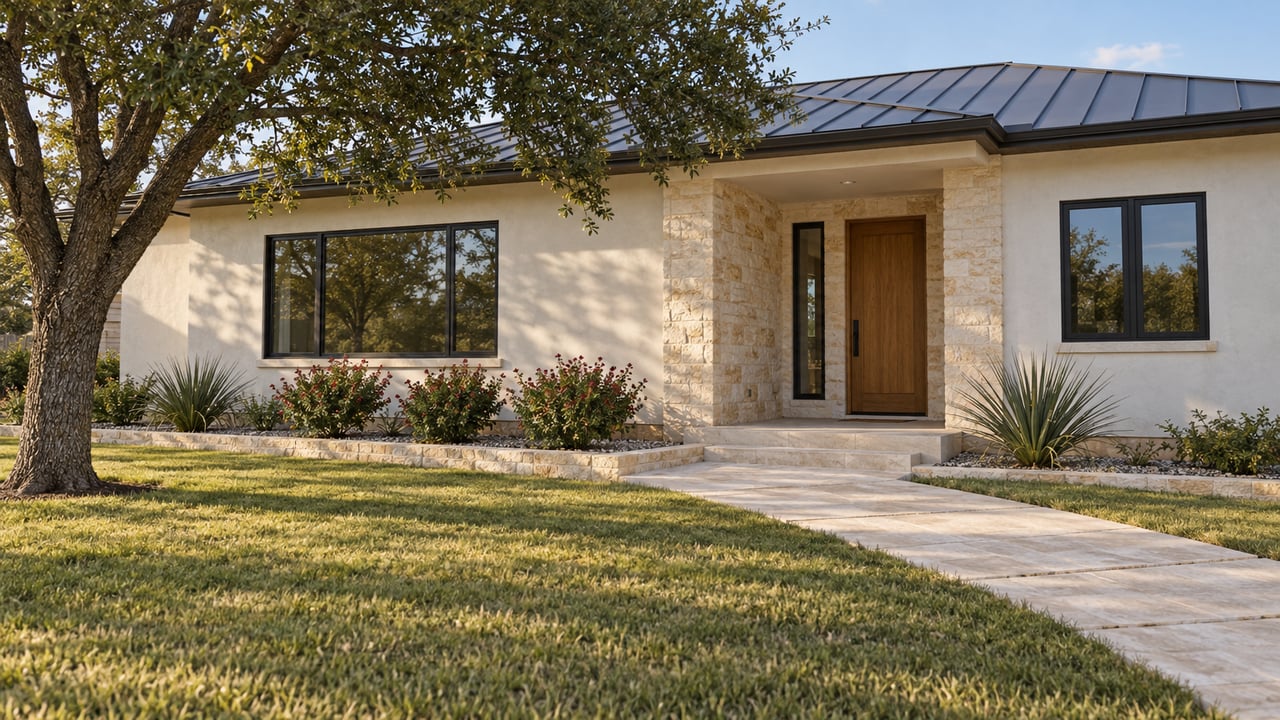
In many cases, the best pre-listing updates are simple and lower disruption. Fresh paint, updated hardware, improved lighting, clean landscaping, and repaired finishes can go a long way. These changes help your home feel current without delaying your listing for a major project.
Try to avoid expensive renovations unless there is a clear reason. If an outdated feature or major defect is likely to hurt buyer interest, it may deserve attention. Otherwise, most sellers are better served by polishing what is already there.
Focus on the rooms buyers notice most
When time or budget is limited, prioritize the spaces that tend to shape buyer impressions the fastest. According to recent staging research, buyers respond most strongly to the living room, primary bedroom, and kitchen. These are often the rooms where people imagine daily life, so they deserve extra care.
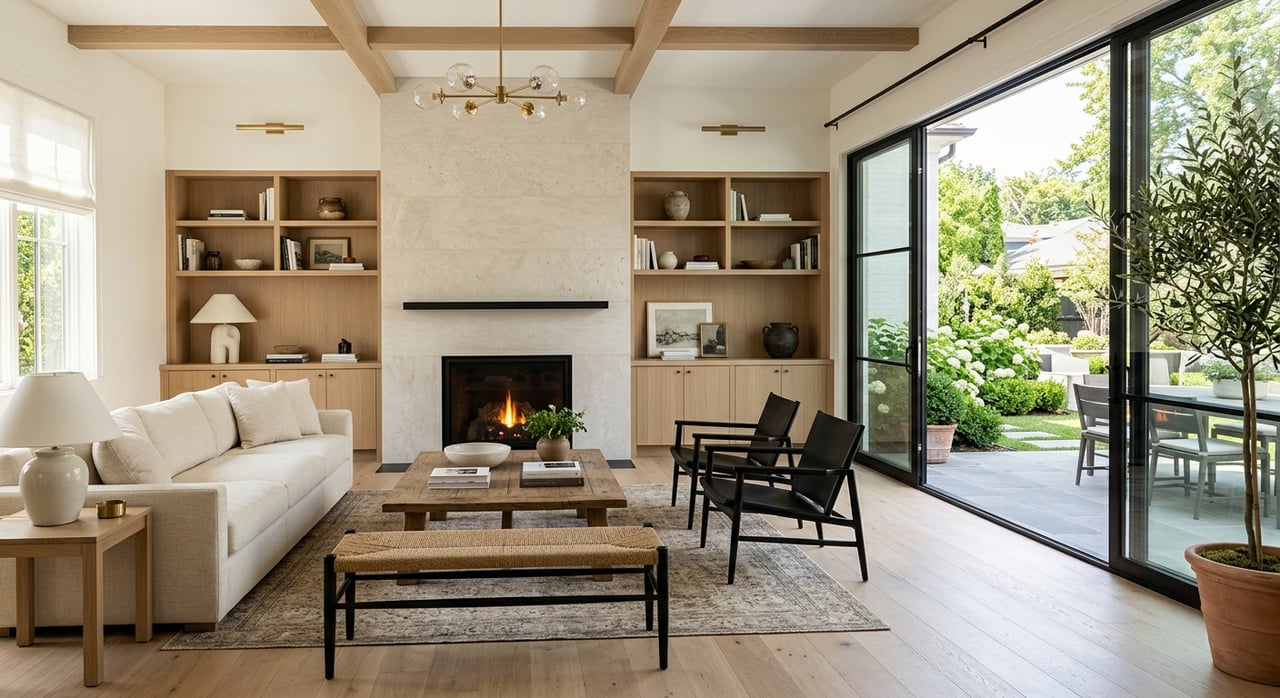
In the living room, aim for open flow and comfortable scale. In the primary bedroom, keep bedding simple and the layout clean. In the kitchen, reduce countertop clutter and make sure surfaces, fixtures, and appliances look as polished as possible.
You do not need a magazine-perfect home. You do need spaces that feel bright, functional, and easy to understand. A few thoughtful changes in the right rooms can improve the entire experience.
Make staging and photos part of the plan
Most buyers will meet your home online before they ever step through the door. That is why presentation is not an extra. It is part of your sales strategy. Recent staging research found that 83% of buyers’ agents said staging made it easier for buyers to visualize a property as a future home.
Photos matter even more. In that same research, 73% said listing photos were much more important or more important than physical staging, compared with 57% for staging itself. If your home does not look inviting online, some buyers may never schedule a showing.
Here are a few ways to strengthen your online presentation:
- Stage key rooms with simple, clean furniture placement
- Maximize natural light before photography
- Remove visual distractions from surfaces and floors
- Keep decor minimal and proportionate to the room
- Use accurate photos that reflect the home honestly
Accuracy matters. Over-edited photos or misleading images can create disappointment when buyers arrive, and that can weaken trust and offers. If virtual staging is used in a vacant home, it should help clarify the space, not hide its condition.
Price for today’s market
Even a beautifully prepared home can lose momentum if the price is off. National 2026 seller data shows more sellers are choosing realistic initial pricing instead of relying on later price cuts to generate interest. That matters in Round Rock, where buyers appear to be comparing options carefully rather than rushing into every listing.
A strong list price should reflect current competition, condition, location, and buyer expectations. It should also leave room for the fact that some sellers are seeing concessions come into play, even when they expect strong offers. Pricing is not just about your goal. It is about how the market is likely to respond in the first days and weeks after launch.
This is where local guidance matters. Online estimates can be a starting point, but they cannot fully account for your home’s presentation, upgrades, or how it stacks up against active and recently sold properties nearby.
Plan your launch timing carefully
Timing can influence visibility, but it should work with your preparation, not replace it. Realtor.com identified April 12 to 18, 2026, as the best national week to sell, with higher views, faster sales, and stronger list prices compared with a typical week. Even so, the larger takeaway is not that one week guarantees results.
The real lesson is that a well-prepared launch matters. If you rush to market before repairs, cleaning, or photos are ready, you may lose the benefit of those crucial first impressions. It is usually better to list when your home is truly ready than to go live early with avoidable distractions.
Get ready for Texas disclosures
Selling a home in Texas also means paperwork, and it is best to prepare for that early. Most sellers should expect to complete the TREC Seller’s Disclosure Notice. Texas updated that form effective May 28, 2026, with added prompts related to insurance, private roads, aboveground storage tanks, and conservation easements.
If your home was built before 1978, federal law also requires lead-based paint disclosures, any available records or reports, a lead warning statement, the EPA pamphlet, and an opportunity for the buyer to conduct a lead inspection before signing the contract. These requirements are important, and completing them thoroughly can help reduce delays later.
A smooth sale often comes down to both presentation and paperwork. When you understand your disclosure responsibilities early, you can gather information and avoid unnecessary last-minute stress.
A practical seller checklist
If you want a simple way to organize your next steps, start here:
- Schedule a pre-sale home inspection
- Make key repairs and correct visible issues
- Declutter, depersonalize, and organize storage
- Deep clean the entire home
- Refresh high-impact cosmetic details
- Prioritize the living room, primary bedroom, and kitchen
- Prepare for staging and professional photography
- Review pricing based on current market conditions
- Gather information for Texas disclosures
- Launch only when the home is fully ready
Selling well is not about doing everything. It is about doing the right things in the right order.
When you are getting ready to sell in Round Rock, having a calm, local guide can make the process feel much more manageable. If you want support with pricing, presentation, and planning your next move, connect with LaTashia Mitchell for thoughtful, step-by-step guidance.
FAQs
What should you fix before selling a home in Round Rock?
- Start with inspection findings, safety concerns, functional problems, visible deferred maintenance, and small cosmetic issues that could make buyers question the home’s condition.
How much should you update before listing a home in Round Rock?
- Focus on visible, high-impact improvements like paint, lighting, hardware, and minor kitchen or bath refreshes unless a larger defect is clearly hurting marketability.
Do you need staging and professional photos to sell a home in Round Rock?
- In most cases, yes. Photos strongly influence whether buyers schedule showings, and staging can help them picture how the home lives.
How should you price a home for sale in Round Rock in 2026?
- Price based on current competition, condition, and recent market behavior rather than assuming appreciation or expecting a bidding war.
What disclosures do Texas home sellers need to prepare?
- Most sellers should expect to complete the TREC Seller’s Disclosure Notice, and homes built before 1978 require lead-based paint disclosures and related documents.
How long are homes taking to sell in Round Rock?
- Spring 2026 market data suggests homes are generally going pending or selling in roughly 43 to 59 days, depending on the source and measurement period.